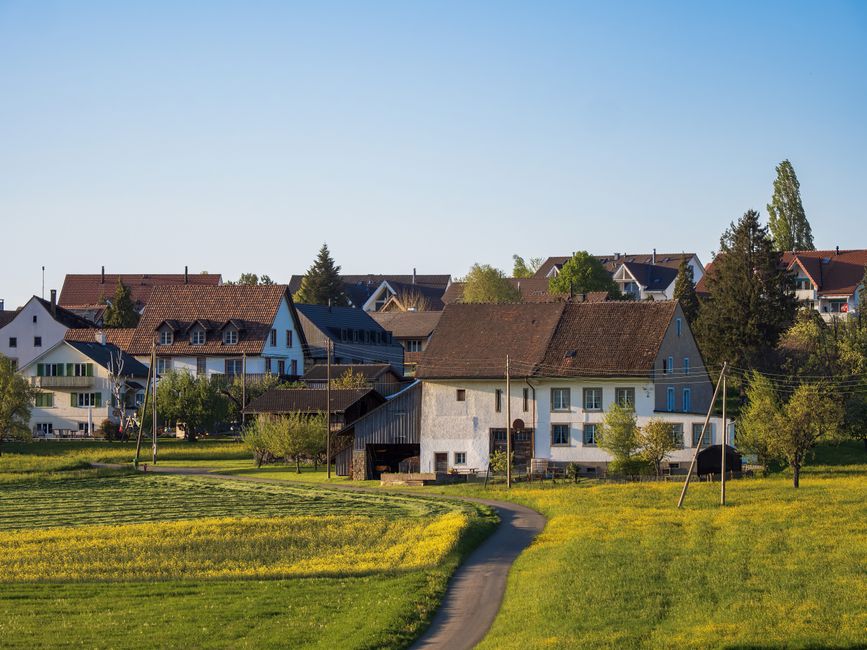
Rediscovering the Charm of Rural Properties
As the hustle and bustle of city life continues to intensify, there’s a growing trend in real estate: the search for tranquility and open spaces. Rural properties, often overlooked gems, are becoming hot commodities in 2026. With the increasing demand for remote work, people are venturing beyond the city limits to find their perfect homes nestled in the countryside.
Rural living offers unique benefits. The fresh air, vast landscapes, and sense of community can offer a refreshing change from urban life. Let’s delve into how you can find these hidden gems and what makes them so appealing.
Understanding the Appeal of Rural Real Estate
Rural real estate isn’t just about open fields and quaint farmhouses. It’s about a lifestyle that prioritizes space, privacy, and a slower pace. In 2026, many are re-evaluating what they want from their homes. The appeal of rural properties lies in the ability to provide not just a home but a haven.
- Space and Privacy: Unlike urban environments, rural properties often come with larger plots of land, offering privacy and room for customization.
- Community Feel: Rural areas boast tight-knit communities where neighbors know each other and community events are frequent.
- Cost Efficiency: While not universally true, rural properties can be more affordable than their urban counterparts, offering more value for money.
Scouting the Perfect Rural Location
The key to finding a rural property that suits your needs is location. Not all rural areas are created equal, and understanding what each region offers is crucial.
For instance, the Berkshires in Massachusetts are known for their cultural scene and stunning landscapes, making them ideal for those who appreciate the arts and nature. Meanwhile, the rolling hills of Tennessee offer a completely different vibe with their rich musical heritage and southern hospitality.
Researching local amenities, access to healthcare, and educational facilities is also essential. Proximity to larger towns or cities can provide a balance between rural tranquility and urban convenience.
Challenges and Considerations
Rural living is not without its challenges. Before making the move, consider the potential obstacles:
- Infrastructure: Internet connectivity might be slower or less reliable in some rural areas. It’s crucial to check the availability of essential services.
- Transport: Public transport can be limited. Owning a vehicle might be necessary for commuting and daily activities.
- Maintenance: Larger properties often require more maintenance, from managing land to handling potential wildlife encounters.
Tips for Buying Rural Real Estate
Ready to embark on your rural real estate journey? Here are some practical tips to help you along the way:
- Work with Local Experts: A real estate agent familiar with the area can provide invaluable insights and help you navigate the market.
- Visit in Different Seasons: The ambiance of a rural property can change with the seasons. Visiting multiple times can help ensure it meets your expectations year-round.
- Inspect Thoroughly: Due to their age and unique characteristics, rural homes may require thorough inspections for things like well water, septic systems, and structural integrity.
Embrace the Rural Renaissance
The trend towards rural real estate in 2026 signifies a renaissance of sorts. As people seek balance, community, and a deeper connection with nature, rural properties offer a compelling alternative to the urban grind. By understanding the unique aspects of rural living and approaching the buying process with due diligence, you can find a hidden gem that truly feels like home.
Practical Takeaway: When considering rural real estate, balance your desire for serenity and space with practical considerations like infrastructure and daily logistics. A well-researched decision can lead to a rewarding lifestyle change.