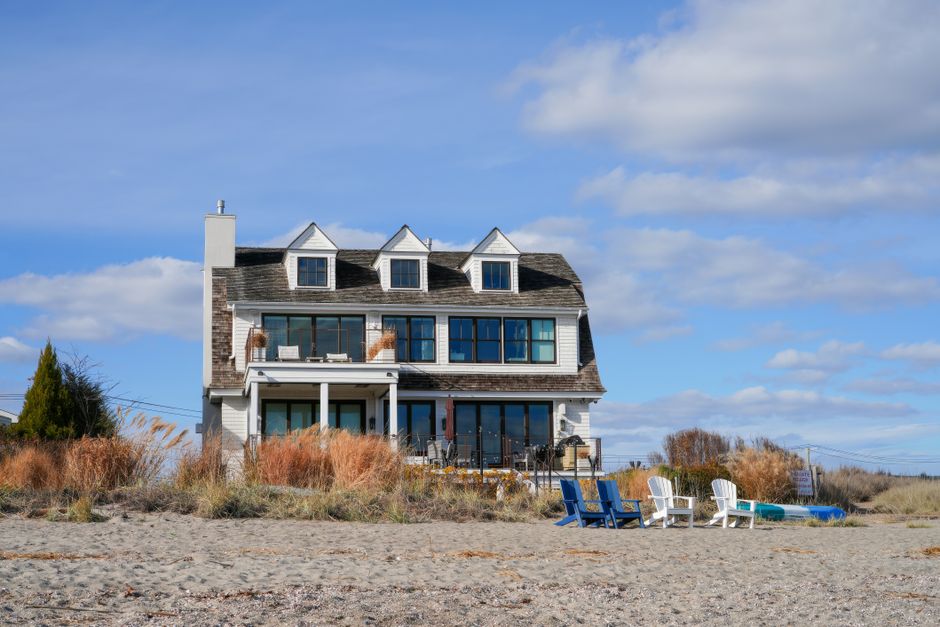
The Allure of Coastal Living
Imagine waking up every morning to the sound of waves crashing and the scent of saltwater in the air. Buying a beachfront property can be a dream come true for many. In 2026, with the rise of remote work and the growing desire for a lifestyle that balances relaxation with productivity, coastal real estate is booming like never before.
But purchasing a beachfront property comes with its own unique set of challenges and considerations. Whether it’s understanding the nuances of coastal regulations or navigating the competitive market, being well-prepared can help you make a sound investment.
Understand the Market Dynamics
Beachfront properties are a hot commodity, and the market dynamics in 2026 reflect that trend. According to recent data, prices for beach properties have increased by an average of 15% over the past year. This surge is driven by increased demand from both domestic and international buyers.
In popular areas like Miami Beach in Florida and Malibu in California, you may find yourself competing against multiple offers. It’s crucial to have a clear understanding of the local market. Work with a real estate agent who specializes in coastal properties to ensure you are informed about pricing trends and inventory levels.
Consider the Impact of Climate Change
Climate change is an ever-present consideration when purchasing beachfront property. Rising sea levels and increased storm frequency can pose significant risks. The National Oceanic and Atmospheric Administration (NOAA) has projected that sea levels could rise by as much as 12 inches in some areas by the end of the decade.
Before making a purchase, research the property’s flood history and consult with experts on the long-term viability of the location. Investing in proper insurance, such as flood insurance, is also a wise move to protect your investment.
Due Diligence with Zoning and Environmental Regulations
Beachfront properties often come with strict zoning and environmental regulations. These laws are in place to protect the fragile coastal ecosystems and to manage development. For instance, in North Carolina’s Outer Banks, building regulations are stringent to ensure the preservation of dunes and wildlife habitats.
Before finalizing your purchase, work with local authorities and legal experts to understand any restrictions on development or renovation. This due diligence can prevent costly surprises down the line.
Financing Your Dream
Securing financing for a beachfront property can be more complex than a standard home loan. Lenders may require a larger down payment, often between 20% to 30%, given the higher risk associated with coastal properties.
Explore all financing options with a mortgage broker who has experience in vacation or investment properties. It’s also important to factor in additional costs like property management fees, especially if you plan to rent the property out short-term.
Embracing the Coastal Lifestyle
Once you’ve navigated the practicalities, it’s time to embrace the coastal lifestyle that beachfront living offers. Proximity to the ocean promotes a range of activities—surfing, boating, and beachcombing, to name a few. Community life in such areas often has a relaxed and welcoming vibe, perfect for establishing a new home base.
Moreover, coastal properties often have higher appreciation rates, making them not just a lifestyle choice but a solid investment. Balance your lifestyle desires with financial goals to fully enjoy your new beachfront haven.
Practical Takeaway: Your Path to Coastal Living
Buying a beachfront property in 2026 requires a blend of enthusiasm and prudence. By understanding the market dynamics, considering environmental impacts, and securing the right financing, you can make a well-informed decision that aligns with both your lifestyle aspirations and investment goals.
With careful planning and the right team of experts, your dream of owning a slice of paradise can become a reality.