The Evolution of Home Buying in the Digital Age
Gone are the days when potential homebuyers had to spend their weekends driving from one open house to another. The real estate industry has undergone a seismic shift, and virtual tours have taken center stage in transforming the home-buying experience. In 2026, virtual tours have become an indispensable tool for real estate agents and sellers alike.
Virtual tours offer a level of accessibility and convenience that traditional methods simply can’t match. With advancements in 3D technology and high-speed internet, buyers can now explore properties from the comfort of their own homes, saving both time and resources.
The Power of Immersion and Detail
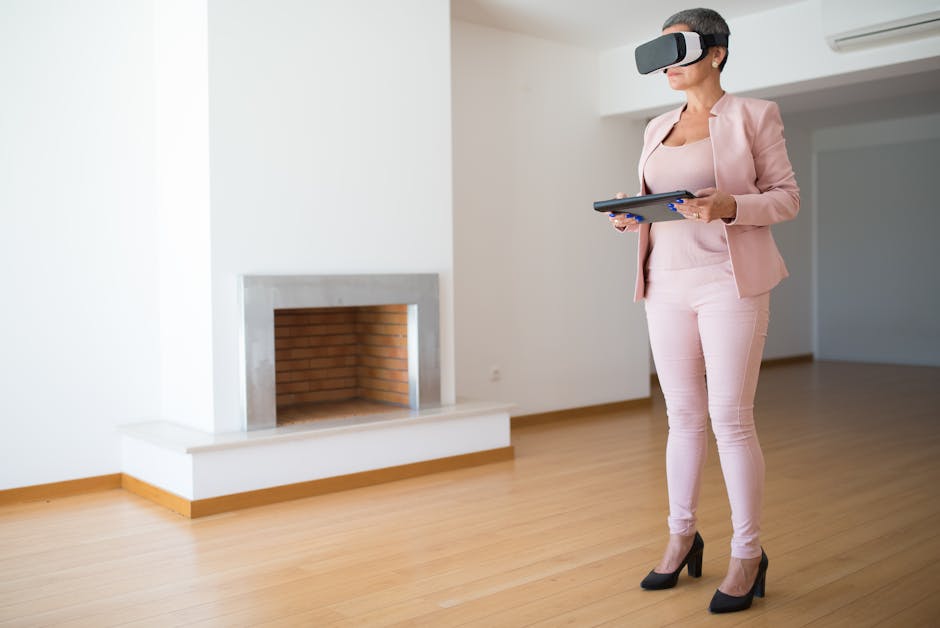
One of the most compelling reasons virtual tours are essential is their ability to provide an immersive experience. Unlike static images, virtual tours allow potential buyers to navigate through a home as if they were physically present. This level of immersion helps buyers visualize living in the space, making it easier for them to connect with the property emotionally.
In cities like Los Angeles and New York, where real estate is highly competitive, standing out is crucial. High-definition virtual tours with interactive features can highlight a home’s unique selling points, such as custom cabinetry or state-of-the-art appliances, attracting discerning buyers who appreciate attention to detail.
Reaching a Global Audience
The real estate market is no longer a local affair. With the rise of remote work and digital nomadism, people are increasingly considering properties in different states and even countries. Virtual tours are the perfect solution for showcasing homes to an international audience.
Take, for example, a beachfront property in Miami. A potential buyer from London can explore the property in real-time, experiencing the breathtaking views and open floor plan without leaving their home. This global reach expands the pool of potential buyers significantly, increasing the likelihood of a successful sale.
Cost-Effectiveness and Time Efficiency
Virtual tours are not only beneficial for buyers but also cost-effective for sellers. Traditional open houses require staging, cleaning, and sometimes hiring staff to manage the flow of prospective buyers. These costs can add up quickly, especially if the property takes time to sell.
With virtual tours, sellers can showcase their homes around the clock, reaching an unlimited number of potential buyers without the recurring costs. This efficiency translates into a faster selling process, which is particularly beneficial in hot markets where timing is critical.
Data-Driven Insights and Analytics
Another advantage of virtual tours is the wealth of data they provide. Real estate agents can track which parts of the home attract the most attention, how long viewers spend in each room, and even the features that generate the most clicks. This data is invaluable for tailoring marketing strategies and improving sales tactics.
For instance, if analytics show that potential buyers spend more time in the kitchen and master bedroom, sellers can emphasize these areas in their listings and promotional materials. Such targeted marketing can make a substantial difference in closing deals.
Practical Takeaway for Sellers
Sellers looking to leverage virtual tours should prioritize high-quality production. Investing in professional 3D tours with features like AR integration can significantly enhance the buyer experience. Providing a seamless, detailed, and interactive virtual tour not only attracts more viewers but also helps build trust and credibility.
As we move further into the digital age, embracing technologies like virtual tours is no longer optional but essential. Sellers who adapt are more likely to succeed in a competitive market, reaching a wider audience and achieving quicker sales.