15 Hot Real Estate Trends to Watch in 2026
As we sail through 2026, the real estate landscape continues to evolve, driven by technological advancements, shifting demographics, and ever-changing market dynamics. For investors, buyers, and sellers alike, staying updated on the latest trends is crucial for making informed decisions. Here are 15 real estate trends that are shaping the industry this year.
1. Rise of Smart Homes
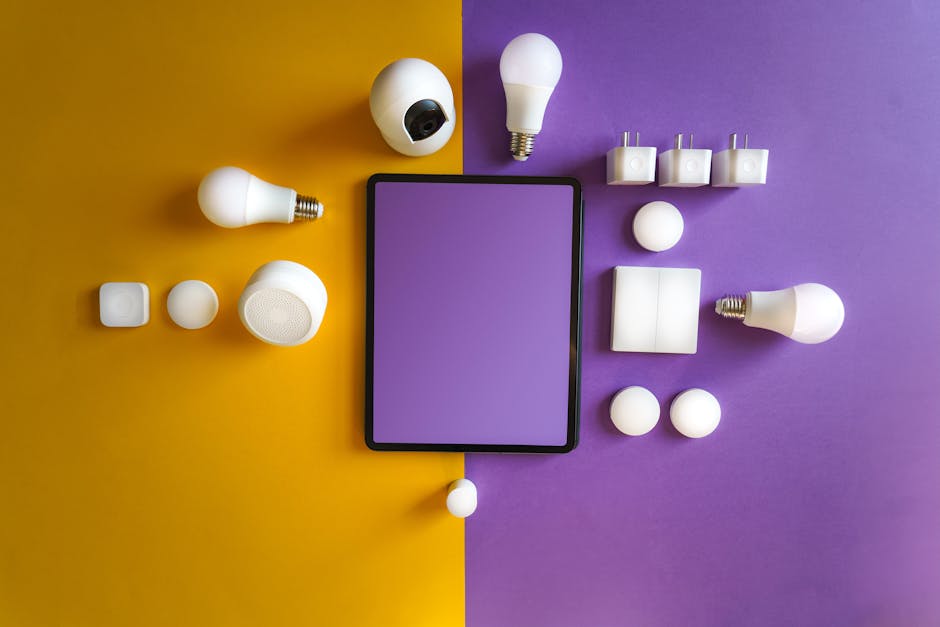
Smart technology integration in homes is no longer a novelty; it’s becoming the norm. From smart thermostats to advanced security systems, today’s buyers are looking for homes that offer convenience, efficiency, and connectivity. The demand for smart homes has increased by 20% since 2024, with cities like Austin and San Jose leading the charge.
2. Urban Suburbs Gain Popularity
Hybrid work models have fueled the popularity of urban suburbs—places that offer the best of city and suburban life. Areas like Silver Spring, Maryland, and Hoboken, New Jersey, are witnessing a surge in demand as they offer proximity to urban amenities without the congestion and higher costs associated with city living.
3. Sustainability Takes Center Stage
Environmental consciousness is more important than ever in 2026. Buyers are willing to pay a premium for properties with eco-friendly features such as solar panels and energy-efficient appliances. The National Association of Realtors reports a 30% increase in the market value of properties with significant green certifications.
4. Co-Living Spaces Expand
Co-living isn’t just for millennials anymore. With rising property prices, more people, including professionals and retirees, are opting for co-living arrangements. Cities like San Francisco and New York have seen a 15% increase in co-living space developments year-over-year.
5. Virtual Reality in Property Viewing
Virtual reality tours have transformed the way people buy homes. In 2026, more than 60% of home buyers begin their property search with virtual tours, providing a comprehensive view of properties from the comfort of their current homes. This trend is especially popular in tech-centric regions such as Silicon Valley.
6. Demand for Multifunctional Spaces
The need for multifunctional spaces in homes is on the rise. With more people working from home, having a dedicated office space is crucial. Real estate developers are now designing homes with flexible floor plans that can be easily adapted to meet various needs.
7. 3D-Printed Homes Enter the Mainstream
3D printing technology is revolutionizing the construction industry by making homes faster and cheaper to build. In 2026, cities like Dubai and Austin are leading the way with several community projects featuring 3D-printed homes, promising affordability and sustainability.
8. Generation Z Enters the Housing Market
This year marks a significant entry of Generation Z into the housing market. Known for their digital savviness and eco-consciousness, Gen Z buyers are looking for tech-enabled, sustainably built homes that align with their values.
9. Adaptive Reuse of Commercial Spaces
With the decline of brick-and-mortar retail, many developers are repurposing vacant commercial spaces into residential properties. Cities like Detroit and Philadelphia have become hotspots for such transformations, breathing new life into underutilized areas.
10. Renters’ Rights Movements Gain Momentum
Legislation favoring renters’ rights is gaining traction across the United States. States like California and New York have introduced stronger tenant protection laws, influencing rental agreements and landlord practices nationwide.
11. Home Offices Become a Priority
The shift to remote work has made home offices a priority for many buyers. Real estate agents report that home office space is now one of the top three requirements for potential buyers, alongside kitchens and bathrooms.
12. Foreign Investment Increases in U.S. Real Estate
Despite global economic uncertainties, 2026 sees a surge in foreign investments in U.S. real estate. Investors from China and Canada are particularly active, focusing on luxury properties in cities like Miami and Los Angeles.
13. Continued Impact of Climate Change
Climate change remains a significant factor in real estate. Properties in flood-prone areas are less desirable, while those equipped with climate-resilient features gain value. Coastal areas like Miami are investing in infrastructure to mitigate these risks.
14. PropTech Innovations
The integration of technology in real estate, known as PropTech, is accelerating. Innovations like blockchain for secure transactions and AI-driven property management tools are reshaping how the industry operates.
15. Well-Being-Oriented Communities
The focus on mental and physical well-being is influencing community designs. Developers are incorporating wellness features such as green spaces, exercise facilities, and quiet areas into new developments, attracting health-conscious buyers.
Practical Takeaway: The real estate market in 2026 is diverse and dynamic, with opportunities and challenges for everyone involved. Whether you’re looking to invest, buy, or sell, staying informed about these trends can help you navigate the market better. From smart homes to sustainability, adaptability is key to thriving in this evolving landscape.