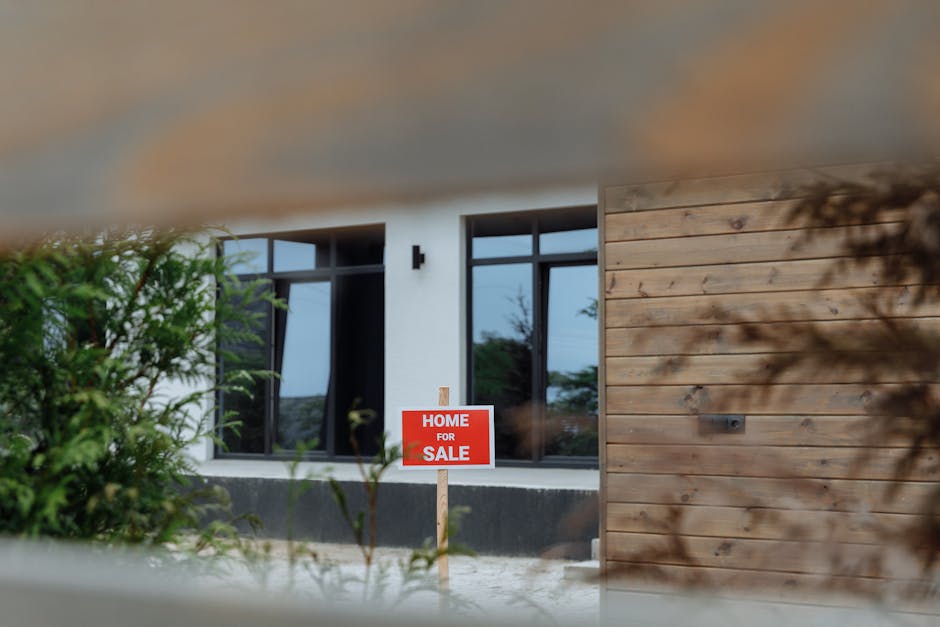
Overpricing Your Home
At first glance, setting a high asking price may seem like a strategic move to give you negotiating room. However, it’s one of the biggest missteps homeowners can make. In 2026, the real estate market remains competitive, and buyers are more informed than ever, thanks to online platforms like Zillow and Redfin. Overpricing can lead to your home sitting on the market longer, which often results in price reductions and a lower final selling price than if you had started at a realistic figure. The average home in Austin, Texas, for example, sells for about 98% of its asking price when correctly priced. Work with a knowledgeable real estate agent who can provide a comprehensive market analysis to set the right price.
Neglecting Necessary Repairs
While it might be tempting to leave small repairs for the next owner, these can significantly impact your ability to sell quickly. Potential buyers often interpret visible signs of neglect as a reflection of how the entire house has been maintained. In cities like Seattle, where the average home price is around $950,000, even minor issues like a leaking faucet or chipped paint can lead to lower offers. Consider investing in a pre-inspection to identify and address problems beforehand, making your home more appealing to buyers.
Ignoring Curb Appeal
First impressions matter, especially in home selling. The exterior of your home is the first thing potential buyers will see, and if it doesn’t look inviting, they may never come inside. Enhancing curb appeal doesn’t require a hefty investment. A well-maintained lawn, vibrant flower beds, and a fresh coat of paint on the front door can make a significant difference. In Miami, where the climate allows for lush landscaping, homes with well-designed exteriors can sell up to 10% faster compared to those with neglected yards.
Skipping Professional Photography
In a digital age where 90% of buyers begin their search online, high-quality photos are non-negotiable. Professional photography can highlight the best features of your home, making it stand out in a crowded market. It’s often the difference between a potential buyer clicking into your listing or scrolling past it. In New York City, listings with professional photos receive 61% more views and sell 32% faster than those with amateur photos. Hire a professional photographer to capture your home in the best light.
Restricting Showings
Flexibility is key when selling a home. Limiting showings to a narrow time window can deter potential buyers who need to view homes outside of typical work hours. Consider offering virtual tours as an option, especially for out-of-town buyers. In a fast-paced market like San Francisco, being accommodating can mean the difference between a quick sale and a prolonged listing. Ensure your agent has clear instructions to facilitate scheduling that works for both you and potential buyers.
Being Emotionally Attached
It’s natural to have an emotional attachment to your home, but letting your emotions dictate your selling strategy can be detrimental. Remember, buyers are looking at your house as a future home, not with the same sentimentality. In a diverse market like Los Angeles, where styles and preferences vary widely, it’s essential to detach emotionally. Focus on presenting your home in a way that allows buyers to envision themselves living there. This might mean depersonalizing spaces by removing family photos and personal items.
Not Understanding Market Trends
Real estate markets can vary significantly from one region to another, and they fluctuate over time. What worked five years ago may not be effective today. Study the current market trends in your area. For instance, as of 2026, suburban areas around Chicago are experiencing a boom due to remote work trends, leading to higher demand than urban areas. Understanding these dynamics can help you time your sale for maximum profit and avoid being caught off guard by a sudden drop in interest.
Practical Takeaway
Selling your home is one of the most significant financial decisions you’ll make. Avoid these common pitfalls by planning ahead, leveraging professional resources, and staying informed about your local market conditions. By doing so, you’ll ensure a smoother, more profitable selling experience. Remember, a well-prepared home not only attracts more buyers but also fetches the best price in any market.