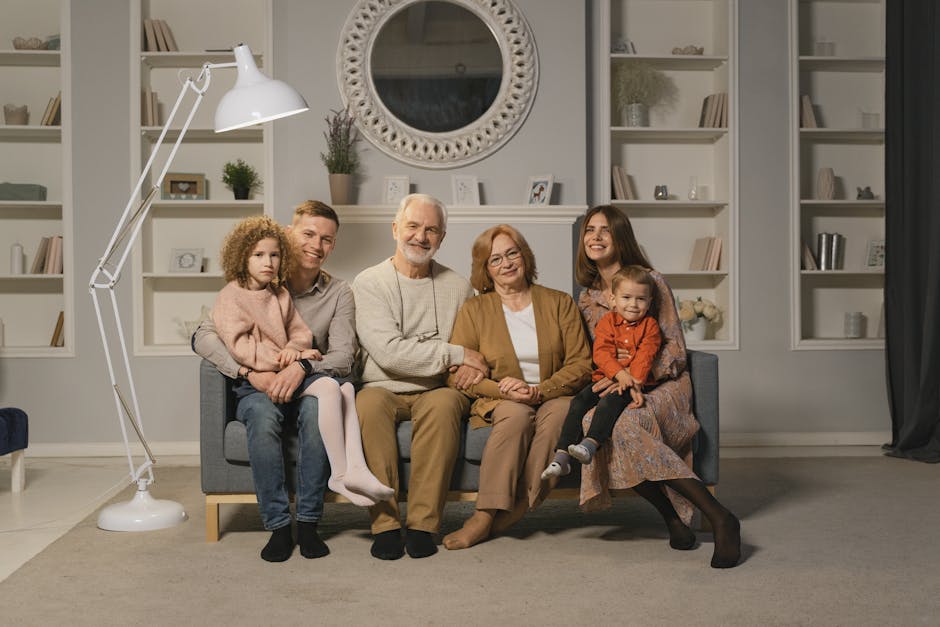
The Rise of Multi-Generational Living: Why 2026 Is the Year
The concept of multi-generational living is not new, but it has gained unprecedented traction in 2026. With real estate prices soaring in urban centers like San Francisco and New York City, many families are re-evaluating their living arrangements. As Bloomberg reports, 68% of homeowners in these cities have considered or already transitioned to multi-generational homes. The benefits go beyond financial savings. Families are discovering the comfort of shared responsibilities and the joy of closer familial bonds. Whether it’s young professionals moving back with their parents or grandparents joining their children, multi-generational homes are shaping the real estate market in fascinating ways.
Designing Spaces for Diverse Needs
One of the biggest challenges in multi-generational living is designing a home that caters to different age groups and lifestyles. Privacy is paramount. A well-designed multi-generational home typically includes separate living quarters or suites with individual entrances, kitchens, and bathrooms. In cities like Miami, architects are innovating with split-level homes and garden flats that offer autonomy while maintaining a cohesive family unit. The aim is to foster an environment where personal space and communal areas harmoniously coexist.
Financial Considerations: The Economic Upside
Shared living arrangements can lead to significant economic benefits. Splitting mortgage payments, utilities, and maintenance costs between family members can ease the financial burden. According to a recent study by Zillow, families living in multi-generational homes save an average of $800 per month. Furthermore, pooling resources can accelerate home equity growth, providing a solid financial foundation for all generations involved. As housing prices continue to climb, this model becomes increasingly attractive, making it a notable trend in the 2026 real estate landscape.
Legal Aspects: Setting Boundaries and Agreements
The legal intricacies of multi-generational living should not be overlooked. Establishing clear ownership rights and responsibilities is crucial. Legal experts recommend drafting a formal agreement outlining financial contributions, property rights, and decision-making processes. In some regions, zoning laws may also come into play. For example, in Los Angeles, certain neighborhoods have restrictions on the number of kitchens a single-family home can have. Consulting with a real estate attorney can ensure compliance and prevent future disputes, safeguarding your family’s harmony and investment.
Adapting the Home for Accessibility
As families look to accommodate aging parents or grandparents, accessibility becomes a key consideration. Homes designed with universal design principles can cater to all ages and abilities. Features such as no-step entries, wider doorways, and lever-style door handles make homes more navigable for older adults without sacrificing style or functionality. In Portland, builders are incorporating these elements as standard in multi-generational homes, recognizing the growing demand for inclusive spaces. This trend not only enhances the quality of life for older residents but also adds lasting value to the property.
The Practical Takeaway: Planning for a Harmonious Future
Embarking on a multi-generational living journey requires thoughtful planning and open communication. Start by assessing your family’s needs and preferences. Engage with architects and builders who specialize in multi-generational designs to create a space that truly feels like home for all. Financial and legal considerations should be addressed with diligence to ensure smooth sailing. Ultimately, the key to successful multi-generational living lies in balancing independence with togetherness, creating a nurturing environment where everyone can thrive. Embrace the possibilities of this living arrangement as it continues to reshape the real estate market in 2026.