Understanding the Buyer of 2026
The real estate market in 2026 is a landscape shaped by technology, sustainability, and a quest for authenticity. Today’s buyer is often influenced by smart home technology, environmental impact, and a desire for genuine and meaningful spaces. Understanding this mindset is crucial to staging your home effectively. Buyers are not just looking for a place to live but a home that aligns with their lifestyle and values.
According to a recent survey, 68% of home buyers in cities like Seattle and Austin prioritize energy-efficient features and smart home integrations. Therefore, when preparing your home for sale, consider incorporating elements that appeal to these preferences.
First Impressions: The Power of Curb Appeal
The exterior of your home sets the stage for what’s inside. A significant 75% of buyers make their purchasing decisions based on their first impression. Start with the basics: ensure your lawn is well-manicured, plant fresh flowers, and give your front door a fresh coat of paint. These simple updates can make a world of difference.
For those in urban areas like San Francisco, where space is limited, consider container gardens or vertical wall plants. Not only do they add greenery, but they also reflect the sustainable and innovative vibe that appeals to today’s buyers.
Creating a Welcoming Interior
Stepping inside should be an experience. Begin by decluttering each room. In 2026, minimalism continues to reign, with buyers favoring spaces that feel open and airy. Remove excess furniture and personal items to allow potential buyers to envision their lives in the space.
When it comes to decor, opt for neutral colors with pops of bold, strategically-placed accents. Think a deep teal throw pillow on a cream couch or a vibrant piece of art on a white wall. This approach maintains a clean look while still making a memorable impact.
Highlighting Smart Home Features
In a world where technology is intertwined with daily life, showcasing your home’s tech-savvy side is essential. Homes in tech-forward cities like New York and Chicago are increasingly expected to feature smart thermostats, security systems, and lighting. If your home already includes these, make sure they’re fully functional and highlight them during viewings.
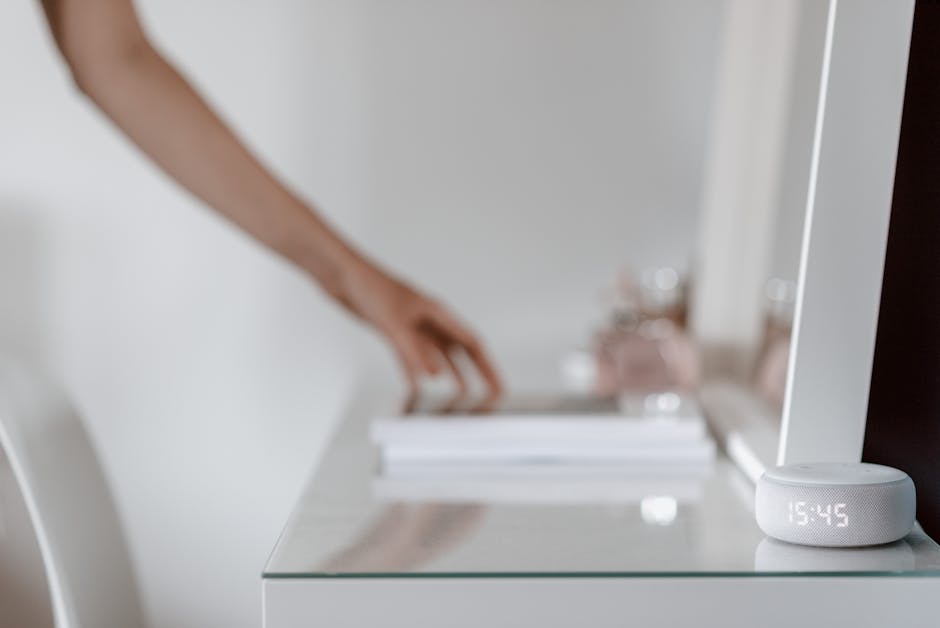
If you’re planning upgrades before selling, consider adding smart blinds or a voice-activated assistant to control home systems. Not only do these features enhance convenience, but they also increase the perceived value of your home.
Eco-Friendly Elements: A Modern Necessity
Green living is not just a trend; it’s a necessity. Homes with eco-friendly features sell 20% faster than those without. Embrace this by integrating eco-conscious elements into your staging.
- LED Lighting: Ensure all lighting fixtures use energy-efficient bulbs.
- Water Conservation: Install low-flow faucets and showerheads.
- Sustainable Materials: Use recycled materials for any renovations or decorative elements.
Highlight these features in your listing description to attract environmentally-conscious buyers.
The Finishing Touches That Seal the Deal
Never underestimate the power of small details. Fresh flowers, a softly playing playlist, and a subtle scent can transform a house into a home. Bake some cookies or brew fresh coffee before showings to create an inviting atmosphere. These sensory elements can evoke a sense of comfort and belonging, encouraging buyers to imagine themselves in your home.
Finally, ensure your home is spotless. A clean home speaks volumes about the care and attention it’s received, and it will leave a lasting impression on buyers.
Practical Takeaway
Staging your home in 2026 is about more than just aesthetics; it’s about aligning with the values and expectations of modern buyers. By enhancing curb appeal, embracing technology, and incorporating eco-friendly features, you can create a space that resonates with potential buyers and facilitates a quick sale. Remember, it’s the thoughtful details that make a house feel like home.