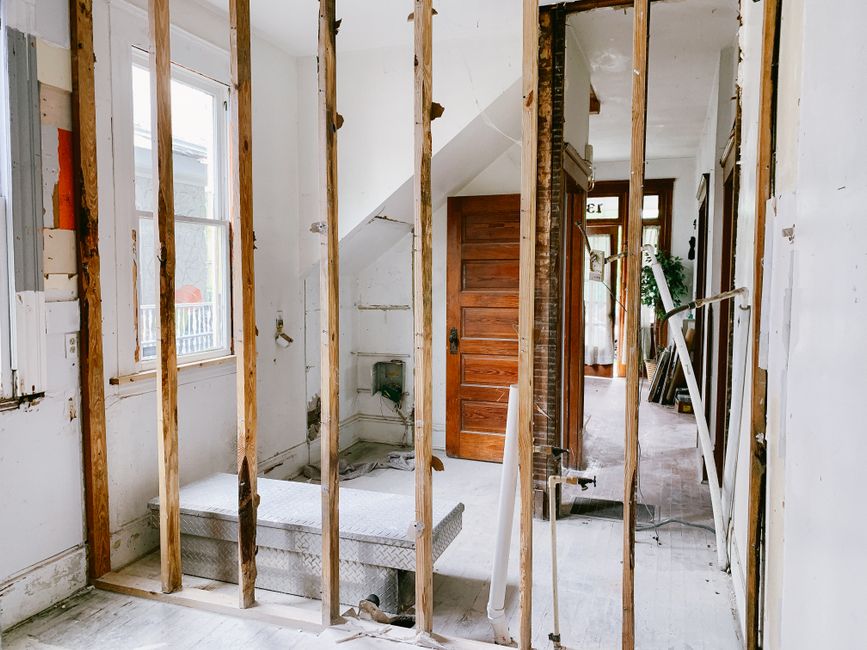
The Allure of the Fixer-Upper: More Than Just a Bargain
In 2026, the fixer-upper has moved beyond its reputation as just a budget-friendly option for first-time buyers. It’s become a canvas for creative homeowners looking to blend character with modern living. With the escalating prices of move-in-ready homes in urban areas like Austin, Texas, and Raleigh, North Carolina, the fixer-upper presents an opportunity to secure a home that not only fits your budget but also captures your unique style.
The average cost of a fixer-upper remains about 20-25% lower than a comparable turnkey property, which leaves room in the budget for personalization. Whether you’re drawn to the craftsman charm of a 1920s bungalow or the clean lines of a mid-century modern ranch, 2026 is the year to transform potential into perfection.
Identifying Potential: What Makes a Fixer-Upper Worth It?
Not all fixer-uppers are created equal. The key is knowing what to look for to avoid common pitfalls. A sound structural base and solid ‘bones’ are non-negotiable. For example, a home with a newer roof and updated electrical systems can save you from costly repairs later on. Look for properties in desirable neighborhoods or up-and-coming areas where future market value is likely to appreciate.
In cities like Pittsburgh, Pennsylvania, where historic architecture meets a vibrant modern community, potential abounds. Seek homes that have features like original hardwood floors hidden under old carpet or vintage tile work that can be restored to its former glory. These elements can add significant value and charm to your home once renovated.
Budgeting and Financing: Navigating the Numbers
Financing a fixer-upper in 2026 requires careful planning. Traditional mortgages may not cover extensive renovation costs, so consider a renovation loan. FHA 203(k) loans and Fannie Mae’s HomeStyle Renovation loans are popular options that bundle the cost of the home and renovations into a single mortgage.
Set realistic budgets that allow for unforeseen expenses. A common rule of thumb is to add an extra 10-20% to your renovation budget for contingencies. For instance, if your renovation budget is $50,000, plan for an additional $5,000 to $10,000 in unexpected costs. This cushion can mean the difference between a project that stalls midway and one that finishes on time and on budget.
Design Trends of 2026: What’s Hot in Home Renovations?
The renovation trends of 2026 lean heavily into sustainable and smart home technologies. Energy-efficient appliances, solar panels, and home automation systems are not just desirable—they’re expected. In cities like Portland, Oregon, buyers are increasingly looking for homes that reduce their carbon footprint while enhancing comfort and convenience.
Open floor plans continue to dominate, but with a twist: flexible spaces that can adapt to work-from-home needs are in demand. Think sliding barn doors that transform a dining room into a home office. Custom cabinetry and bold color palettes are also making waves, turning kitchens and bathrooms into statement spaces rather than purely functional rooms.
Finding the Right Team: Contractors and DIY
Deciding whether to hire professionals or tackle renovations yourself depends on your skills, time, and budget. For major structural changes, it’s best to hire experienced contractors. But don’t underestimate the power of DIY for smaller projects like painting, tiling, or landscaping, which can save significant money without compromising quality.
In 2026, platforms like Houzz and Angie’s List are invaluable resources for finding local professionals. Reviews and portfolios provide insight into a contractor’s reliability and style. For those new to DIY, YouTube and online courses offer a plethora of tutorials to help you gain the skills needed to tackle projects confidently.
Practical Takeaway: Embrace the Journey
Embarking on a fixer-upper renovation in 2026 is as much about the journey as the destination. It’s a chance to craft a unique living space that reflects your personality and meets your needs. Remember, patience and flexibility are your greatest allies. With the right planning, the right people, and a vision for what could be, a fixer-upper can transform into the home of your dreams.