Understanding the Green Revolution in Real Estate
By 2026, the real estate market has shifted significantly towards sustainability. This is not just about solar panels and recycled materials anymore; it’s about a holistic approach to eco-friendly living. From energy-efficient appliances to zero-waste construction practices, the demand for sustainable homes has skyrocketed. In fact, recent data shows that 60% of new home buyers prioritize sustainability in their purchasing decisions.
As the world grapples with climate change, both buyers and sellers are increasingly concerned with their ecological footprint. For those looking to buy or sell a home, understanding sustainable options can not only benefit the environment but also lead to long-term cost savings and increased property values.
Why Eco-Friendly Homes Are Gaining Popularity
Consumers are more informed than ever and are seeking homes that align with their values. The rise in eco-awareness means that a sustainable home is no longer a niche market; it’s entering the mainstream. Several factors contribute to this trend:
- Energy Savings: With energy costs rising, homes designed to minimize energy consumption are highly attractive. Features like enhanced insulation, triple-glazed windows, and geothermal heating can drastically reduce utility bills.
- Health Benefits: Sustainable homes often use non-toxic materials, improving indoor air quality and overall health.
- Resale Value: Sustainable homes often boast higher resale values, as the demand for green living spaces continues to increase.
Top Tips for Buying a Sustainable Home
As you delve into the market, consider these essential tips for purchasing an eco-friendly property:
- Research Certifications: Familiarize yourself with certifications like LEED, Energy Star, and Passive House. These can help identify homes that meet rigorous efficiency standards.
- Inspect the Insulation: A well-insulated home is key to maintaining energy efficiency. During viewings, inquire about the materials used and their R-value, which measures thermal resistance.
- Evaluate Water Efficiency: Look for features such as low-flow fixtures, rainwater harvesting systems, and xeriscaping (landscaping that reduces or eliminates the need for supplemental water).
How Sellers Can Enhance Their Property’s Eco Appeal
Sellers looking to attract eco-conscious buyers should consider implementing a few key upgrades:
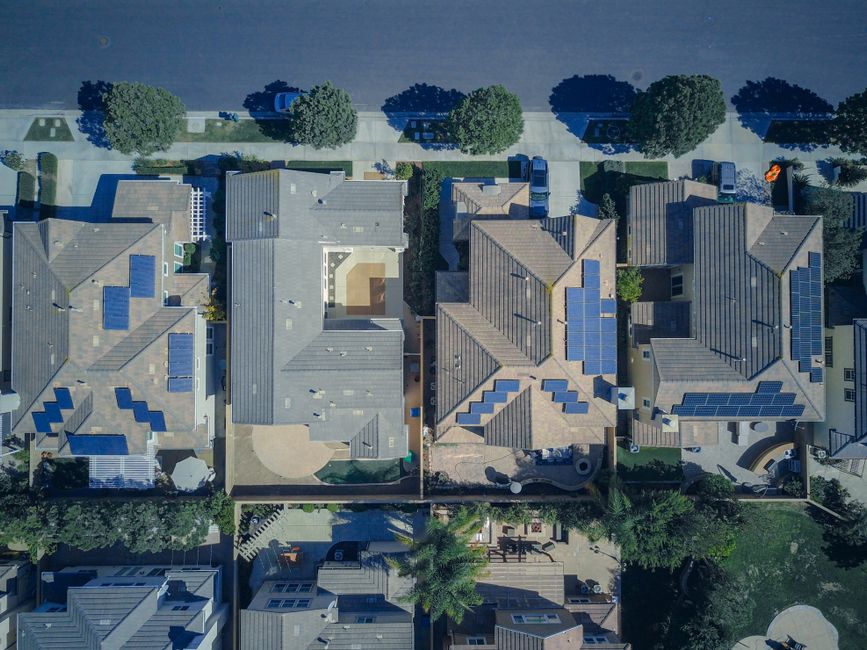
- Install Solar Panels: Solar energy not only reduces energy bills but also appeals to environmentally savvy buyers. Recent advancements have also made panels more aesthetically pleasing.
- Upgrade Appliances: Swapping out old appliances for Energy Star-rated models can increase a home’s energy efficiency and appeal.
- Highlight Sustainability Features: If your home already includes eco-friendly features, ensure they’re prominently showcased during marketing and open houses.
The Future of Real Estate in a Sustainable World
As we move deeper into 2026, the trend towards sustainability is unlikely to slow down. Governments continue to incentivize green building practices, and technological advancements offer new ways to minimize our carbon footprint. For those in the real estate market, understanding these shifts offers a competitive edge.
Whether you’re looking to buy or sell, embracing sustainability isn’t just about being eco-friendly—it’s about being future-ready. Homes that incorporate these principles not only safeguard the planet but also promise a better quality of life for their inhabitants.
Ultimately, the shift towards sustainable real estate represents a profound transformation in the market. By investing in eco-friendly homes, you’re investing in a brighter, greener future.
Practical Takeaway
For prospective buyers and sellers in 2026, the message is clear: sustainability is no longer optional. Embrace eco-friendly practices to not only enhance your living environment but also increase your property’s market value. A greener future is not just a possibility—it’s the reality we are building together.