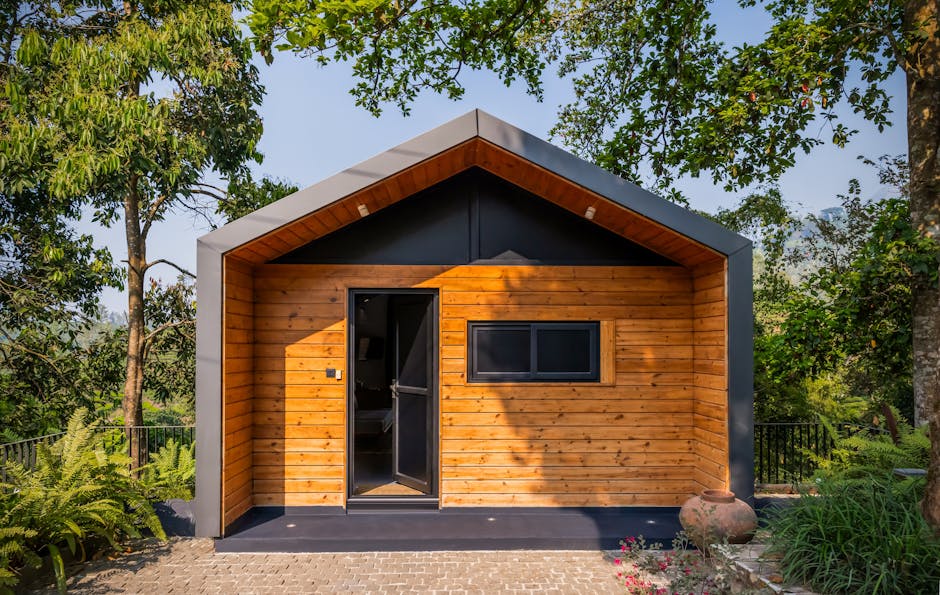
Why Tiny Homes are Making a Big Impact in 2026
In a world that’s constantly expanding with new technologies and ideas, there’s a contrasting trend that’s taking the real estate market by storm—tiny homes. The global shift towards minimalist living has reached a new pinnacle in 2026. More people than ever are considering ditching their large, traditional homes in favor of compact yet efficient living spaces. But what’s fueling this intriguing movement?
Several factors contribute to the rising popularity of tiny homes. Environmental awareness plays a significant role, with many aspiring homeowners keen to reduce their carbon footprint. Additionally, the financial freedom offered by smaller living spaces is undeniably attractive. Lastly, the flexibility tiny homes provide—often allowing owners to relocate their entire abode—is a thrilling prospect for those with an adventurous spirit.
The Financial Edge of Downsizing
One of the most compelling reasons to consider a tiny home in 2026 is the financial benefit. In cities like Austin, Texas, where the average home price has skyrocketed to over $500,000, tiny homes offer a more accessible entry point to homeownership. Typically priced between $30,000 and $100,000, the cost savings are significant.
Further financial perks come from lower utility bills and reduced maintenance costs. A smaller space means less energy consumption, translating to monthly savings. This financial leeway can open doors to other opportunities, whether that’s traveling more, investing in experiences, or simply saving for the future.
Environmental Benefits: A Greener Lifestyle
In 2026, environmental concerns are at the forefront of many buyers’ priorities. Tiny homes, by their nature, consume fewer resources. They’re often built using sustainable materials and designed to be energy-efficient. Features like solar panels and composting toilets are becoming standard in many tiny home models.
Additionally, the reduced need for land makes tiny homes a sustainable option for urban areas. Cities like Portland, Oregon, have embraced this trend, creating tiny home communities that are not only eco-friendly but also foster a strong sense of community among residents.
Customization and Personalization: The Tiny Home Advantage
Another appealing aspect of tiny homes is the ability to customize them to fit personal tastes and lifestyles. In contrast to traditional homes, where renovations can be costly and time-consuming, tiny homes allow for a more hands-on approach.
From layout to finishes, the personalization options are endless. Some people opt for built-in furniture to maximize space efficiency, while others focus on high-end finishes that give their home a luxurious feel despite its size. This level of customization ensures that while the home may be small, it’s a perfect reflection of the owner’s personality.
Challenges and Considerations of Tiny Living
While the benefits are numerous, tiny living does come with its set of challenges. Space limitations can be a significant hurdle, particularly for families. It’s essential to critically assess what possessions are necessary and which ones can be let go.
Moreover, zoning laws can be complex and vary widely from one location to another. Before jumping into the tiny home lifestyle, prospective buyers should research local regulations to ensure their plans are feasible within their chosen area.
Is a Tiny Home Right for You?
As you consider whether a tiny home fits your lifestyle, it’s crucial to weigh both the pros and cons. If you’re someone who values experiences over possessions, who is environmentally conscious, and who seeks financial freedom, then a tiny home could be the perfect choice in 2026.
Ultimately, the rise of tiny homes reflects a broader societal shift towards valuing quality over quantity, and experiences over material goods. As more people embrace this way of living, tiny homes are poised to become not just a fad, but a lasting fixture in the real estate landscape.
Practical Takeaway: If you’re contemplating a move to tiny living, start by assessing your current living space and identifying non-essential items that could be downsized. Research local zoning laws and connect with tiny home communities online to gather insights and tips. With the right planning, 2026 could be the year your big dream finds its perfect small home.