Why Green Homes Are the Future of Real Estate
By 2026, the real estate industry has been witnessing a remarkable shift. Green homes have emerged as a major trend, reshaping how we think about property investment. This isn’t just a fleeting fad. It’s a transformation driven by evolving consumer preferences, technological advances, and pressing environmental concerns. Let’s take a closer look at why green homes are leading the charge into the future.
The Rise of Sustainability
The buzzword of the decade has been sustainability. With climate change no longer a distant threat but a lived reality, individuals and communities are motivated to seek solutions. Enter green homes – properties designed to minimize environmental impact through energy efficiency, sustainable materials, and intelligent design.
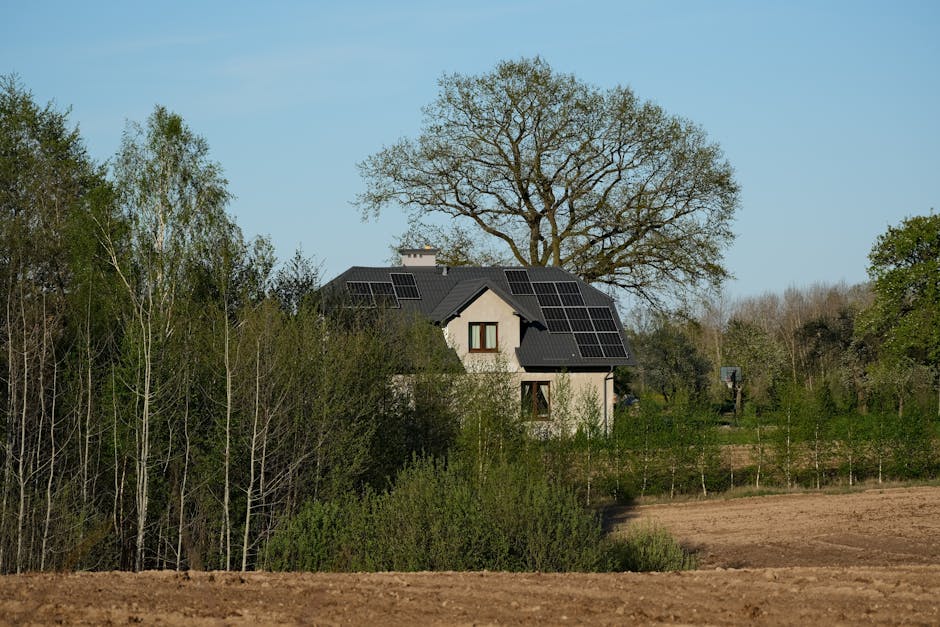
Green homes utilize resources like solar panels, rainwater harvesting systems, and geothermal heating. According to a 2025 report by the National Association of Realtors, properties with these features saw a 20% increase in value compared to traditional homes. This isn’t just about saving the planet; it’s about savvy investing.
Technological Innovations
Tech has always played a pivotal role in real estate, but green homes are where it truly shines. Smart home systems now integrate with sustainability features, allowing homeowners to monitor and manage energy use in real-time. Picture a house in Austin, Texas, where the temperature scales a sweaty 100°F. A green home here might use smart thermostats that adjust the temperature efficiently, saving on both energy and costs.
These technologies aren’t just cool gadgets; they’re practical tools that enhance livability and cut down expenses. According to the U.S. Green Building Council, homeowners can save an average of $300 per year by adopting smart energy technologies.
Healthier Living Environments
Green homes aren’t just about the planet; they’re about people too. Traditional homes can harbor toxins from building materials like formaldehyde or lead-based paints. In contrast, green homes are constructed with non-toxic materials, ensuring healthier indoor air quality.
Take, for example, a development in Portland, Oregon, known for its commitment to wellness. Homes here feature advanced ventilation systems that improve air quality by reducing allergens and pollutants. Residents report fewer respiratory issues and a general improvement in well-being. This healthy living aspect is particularly appealing to families and retirees.
Economic Incentives
Governments worldwide are pushing for greener living, and they’re putting their money where their mouth is. In the U.S., federal and state tax incentives encourage the purchase of energy-efficient appliances and home improvements. Homeowners can claim up to a 10% rebate on the cost of solar panels, while utility companies in states like California offer significant rebates for energy-efficient home upgrades.
These incentives make green homes financially attractive. Buyers not only save on their utility bills but also enjoy financial benefits through these governmental programs. It’s a win-win scenario, making the initial higher investment in green homes more palatable.
Future-Proof Investments
The real estate market has always been about staying ahead of the curve. Green homes are future-proof investments. With energy costs rising and resources depleting, properties that emphasize sustainability are better positioned for long-term appreciation.
Consider a suburb in Denver, Colorado, where property values have surged 30% over the past five years. Much of this increase is attributed to the area’s focus on sustainable construction and green infrastructure. Buyers recognize that investing in such forward-thinking communities means better returns in the long run.
How to Make Your Home Greener
Thinking of jumping on the green bandwagon? There are several actionable steps you can take to greenify your home. Start by conducting an energy audit to identify areas for improvement. Replace old appliances with Energy Star-rated models and install LED lighting.
- Consider low-flow water fixtures to save on water use.
- Invest in smart home technology to control energy use.
- Investigate local rebates and incentives for green upgrades.
- Look into solar panel installations as a long-term investment.
Remember, transforming your home into a green powerhouse doesn’t have to happen overnight. Small, incremental changes can lead to significant benefits over time.
By choosing green, you’re not just making a real estate decision; you’re making a commitment to a sustainable lifestyle. As technology progresses and environmental consciousness grows, the green home movement is set to become the cornerstone of modern living. Real estate investors and homeowners alike stand to benefit from embracing this future-forward trend.