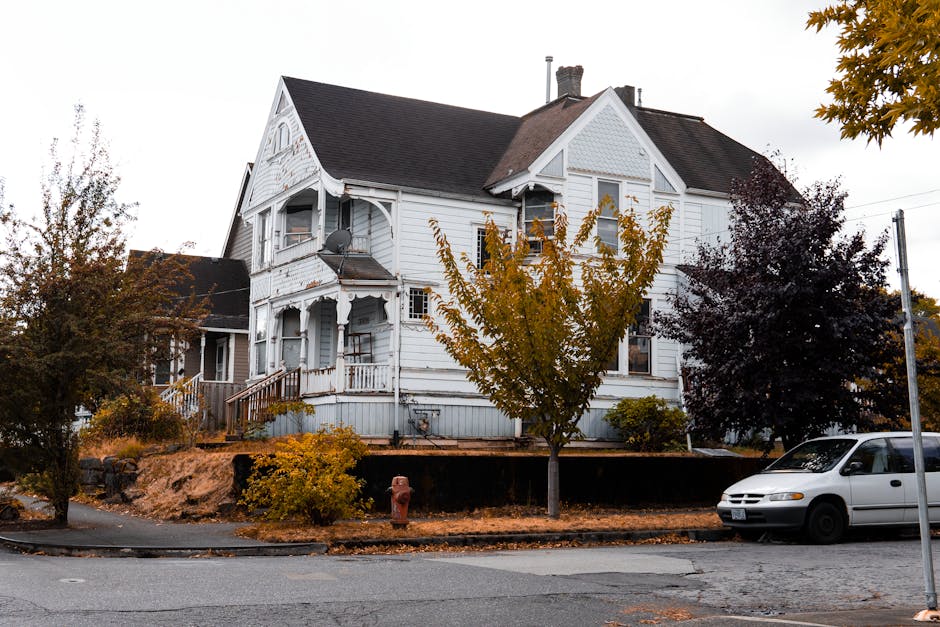
The Charm of Historical Homes
Stepping into a historical home is like walking through a portal to another time. With their unique architectural styles, such as Victorian, Colonial, and Craftsman, these homes offer an allure that modern houses often lack. In 2026, buyers are increasingly seeking out these properties not just for their beauty, but for their stories and the character they bring.
Imagine owning a piece of history, where every corner has witnessed the past unfold. But buying a historical home requires more than just a passion for the past. It’s a journey filled with both challenges and rewards.
Understanding the Market for Historical Homes
As of 2026, the demand for historical homes has surged by 15% compared to the previous year, according to the National Association of Realtors. Cities like Boston, Charleston, and New Orleans are particularly popular due to their rich history and well-preserved neighborhoods. The appeal of these homes lies not only in their aesthetic but also in their potential for investment.
It’s crucial to understand that buying a historical home can be a different experience compared to purchasing a modern house. Historical homes often have unique zoning laws and restrictions, so it’s important to research and understand these before diving in.
Key Considerations When Buying
- Preservation Restrictions: Many historical homes come with preservation covenants that guide what changes can be made. This ensures the character of the home remains intact but can limit modern updates.
- Maintenance Costs: Older homes might require more upkeep. From updating electrical wiring to restoring original features, it’s wise to budget for ongoing maintenance.
- Insurance Costs: Insuring a historical home can be more expensive due to the unique materials and craftsmanship. It’s advisable to work with an insurer experienced with such properties.
Benefits of Owning a Historical Home
Owning a historical home is more than just owning a building; it’s about preserving a piece of history. These homes often come with mature landscapes that modern properties can’t offer. Plus, the quality of craftsmanship—from handcrafted moldings to intricate woodwork—is often superior to that of contemporary construction.
Moreover, historical homes can be a sound investment. Their limited supply and the growing demand contribute to their increasing value. In 2026, some historical neighborhoods have seen property values rise by as much as 20%.
How to Successfully Purchase a Historical Home
First, find a real estate agent who specializes in historical properties. They can guide you through the nuances and help navigate any restrictions or needed renovations. Next, connect with a lender familiar with financing historical homes, as they may offer specialized loans or incentives.
Finally, hire a home inspector with experience in these types of buildings. They can identify potential issues that may not be obvious to the untrained eye, such as foundation concerns or outdated systems.
Practical Takeaway
Purchasing a historical home in 2026 is an opportunity to own a piece of history and invest in a growing market. By understanding the market dynamics, recognizing the unique challenges, and partnering with knowledgeable professionals, you can transform your vision of owning a historical home into reality.