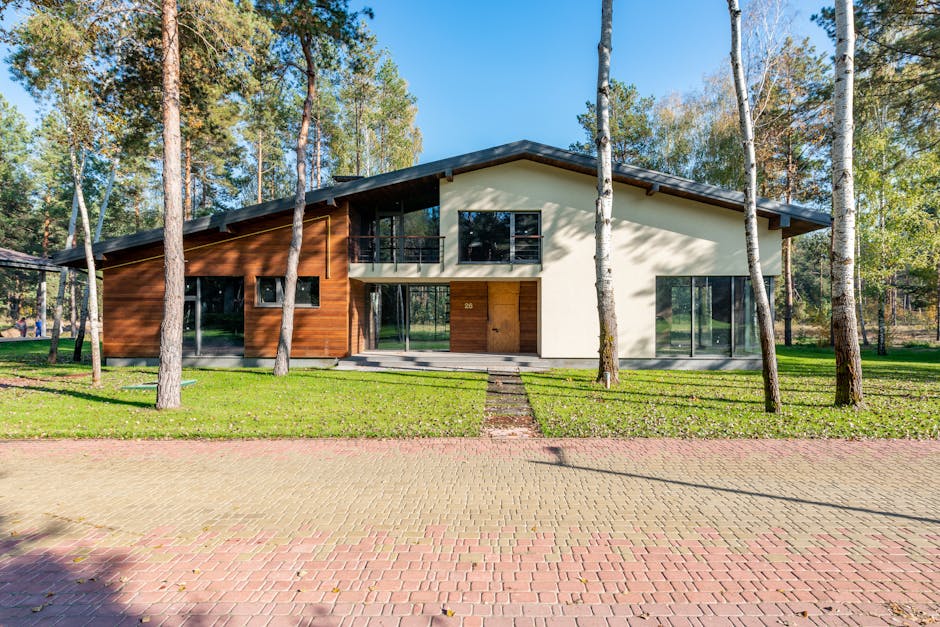
Introduction: The Green Revolution in Real Estate
In 2026, the movement towards sustainable and eco-friendly living has become more than just a trend—it’s a lifestyle choice that’s reshaping the real estate landscape. As the effects of climate change become increasingly apparent, homebuyers and sellers alike are turning their attention to properties that promise not only comfort and style but also sustainability.
Why Eco-Smart Homes Are the Future
The appeal of eco-smart homes lies in their dual promise of environmental responsibility and cost savings. These homes are designed to minimize energy consumption, reduce waste, and utilize renewable resources. With the global push towards reducing carbon footprints, eco-smart homes are not just future-proof but also financially savvy choices.
- Energy Efficiency: Modern eco-smart homes are equipped with energy-efficient appliances and smart systems that help reduce electricity bills by up to 30%. Features like solar panels, energy-efficient windows, and smart thermostats are becoming staples in new constructions.
- Water Conservation: Innovations such as rainwater harvesting systems and low-flow fixtures are designed to drastically reduce water usage. These features are essential in regions prone to droughts or water shortages, making them highly attractive to environmentally conscious buyers.
Top Eco-Smart Features to Look for in 2026
As more homeowners embrace the green wave, certain features are becoming increasingly popular. Here’s a look at some of the top eco-smart features that are redefining homes today:
- Green Roofs: Not only do green roofs provide insulation and reduce urban heat, but they also offer a sanctuary for local wildlife. Cities like Portland and Chicago are seeing a surge in homes with these living roofs.
- Smart Home Technology: Integration of AI and IoT in homes can optimize energy usage, manage security systems, and even monitor air quality. Companies like Nest and Ecobee are leading the charge with user-friendly products.
- Recycled Building Materials: Homes constructed with recycled materials such as reclaimed wood or sustainable concrete are not only eco-friendly but also incredibly stylish.
The Financial Upside of Owning an Eco-Smart Home
While the initial investment in an eco-smart home might be higher, the long-term savings are substantial. Energy-efficient homes typically sell for more and faster than traditional ones, offering a significant return on investment.
- Tax Incentives and Rebates: Many governments are offering tax breaks and rebates to homeowners who invest in green technologies. For instance, California offers up to $5,000 in rebates for solar panel installations.
- Increased Property Value: Studies show that energy-efficient homes can command up to 14% higher prices. Buyers are willing to pay a premium for properties that promise lower living costs and reduced environmental impact.
Challenges in the Eco-Smart Real Estate Market
Despite their many benefits, eco-smart homes are not without challenges. The upfront cost of green technologies can be a barrier for some buyers. Additionally, finding qualified contractors and reliable information can be daunting for those new to sustainable building practices.
However, with growing awareness and support from both private and governmental sectors, these hurdles are becoming easier to overcome.
Conclusion: A Practical Takeaway for Homebuyers and Sellers
For those thinking about buying or selling property in 2026, considering eco-smart features is no longer optional but essential. Buyers should evaluate not just the beauty of a home but its sustainability features, while sellers can enhance their property value through strategic eco-friendly upgrades.
As we move further into the decade, the homes of tomorrow promise to be greener, smarter, and more efficient, making them a wise investment for environmentally conscious buyers and forward-thinking sellers alike.