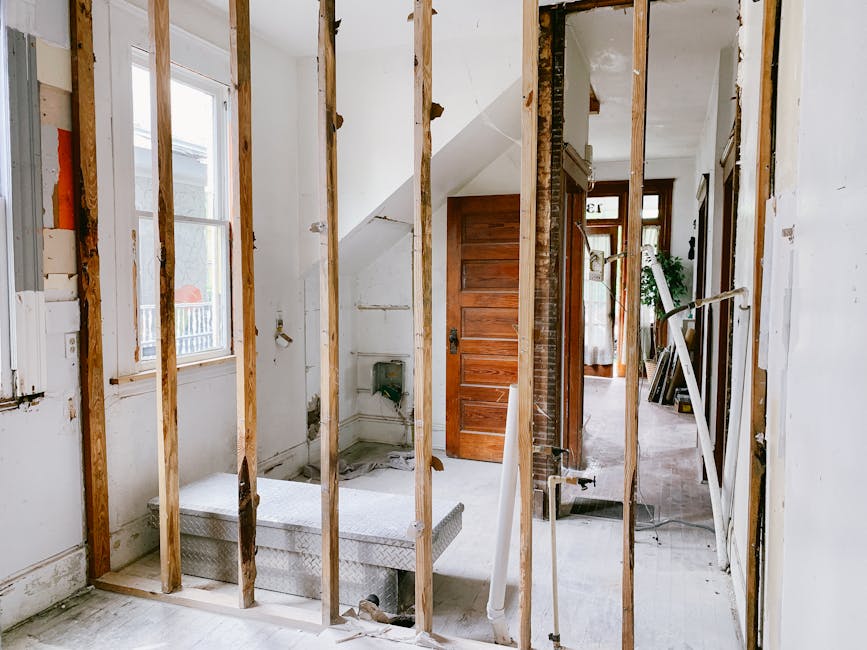
The Pros and Cons of Buying a Fixer-Upper in 2026
As we settle into 2026, the real estate market continues to evolve, and one trend that has consistently piqued the interest of both new buyers and seasoned investors is the purchase of fixer-uppers. These properties, often offering a mix of charm and potential, can be as alluring as they are challenging. Navigating the process of buying a fixer-upper requires a good balance of enthusiasm, diligence, and a touch of reality. So, what are the real pros and cons of diving into this venture right now?
The Allure of Affordability
Pros: One of the most compelling reasons to consider a fixer-upper is the initial cost. In 2026, the median price for a new or move-in ready home in Portland, Oregon, is hovering around $650,000. By contrast, a fixer-upper in the same area can start at a more palatable $450,000. This significant difference allows buyers to enter desirable neighborhoods that might otherwise be financially out of reach.
Cons: However, lower initial costs can sometimes mask the true long-term expenses. Renovations can be unpredictable, with unexpected issues increasing costs by 20% to 30% more than anticipated. Setting a realistic budget and preparing for potential overruns is crucial.
Personalization and Customization
Pros: Fixer-uppers offer a blank canvas for creativity and personalization. Imagine transforming a 1920s Craftsman in Chicago into your dream home. You have the freedom to choose everything from the kitchen layout to the bathroom fixtures, tailoring the space to suit your unique tastes and lifestyle.
Cons: On the flip side, the process of personalization can be overwhelming, especially without a clear vision. Indecision can lead to prolonged timelines and ballooning budgets. Hiring a skilled interior designer early in the process can help streamline decisions and maintain focus.
The Investment Potential
Pros: With the right approach, a fixer-upper can be a lucrative investment. Property values in cities like Austin, Texas, have appreciated by an average of 8% annually over the past few years. Renovating a low-cost property in these growth areas can lead to substantial equity gains.
Cons: Yet, not every location offers the same promise of return. Investing in a fixer-upper in a stagnant or declining market could lead to minimal gains or even potential losses. Conducting thorough market research and consulting with real estate experts before purchasing is essential.
Learning and Skill Development
Pros: Embarking on a fixer-upper project is an educational journey. From understanding structural assessments to mastering DIY skills, it’s a hands-on experience that enriches knowledge and expands skill sets. Many homeowners find satisfaction in learning through doing, which can be both rewarding and cost-saving.
Cons: However, not everyone has the time or inclination to become a home renovation expert. The learning curve can be steep and stressful, particularly if juggling a full-time job or other commitments. Partnering with experienced professionals can alleviate some of this burden, allowing you to focus on areas where you have genuine interest or expertise.
The Emotional and Time Commitment
Pros: Completing a renovation project brings a unique sense of pride and accomplishment. The emotional satisfaction of turning a rundown property into a home is unparalleled. It’s a transformative journey that leaves a lasting impact on your relationship with your living space.
Cons: Nonetheless, the process can be emotionally taxing, testing patience, resilience, and relationships. Renovations often take longer than expected, meaning you could be living in a construction zone for months. Ensuring you have a solid support system and stress-relief strategies in place can help mitigate these pressures.
The Practical Takeaway
Purchasing a fixer-upper in 2026 offers both exciting opportunities and notable challenges. It’s a venture that requires careful consideration, thorough research, and a realistic appraisal of your financial and personal capacities. Whether you’re drawn by the potential for personalization, investment returns, or the thrill of renovation, understanding the full scope of what lies ahead is crucial. Prepare for a journey that is as rewarding as it is demanding, and you might just find that the home of your dreams was worth the effort.